
If you're managing a school's facilities, chances are you're juggling more than just maintenance work orders. There's capital planning, energy management, compliance tracking—not to mention keeping things running smoothly on a tight budget. And when someone suggests upgrading your system or integrating new tech? That probably sounds like a logistical nightmare.
There's good news: modern facility management tools can make your life easier, not harder. The trick is knowing what's worth your time (and money) and what's just another headache waiting to happen. Let's break it down.
Why Upgrade? Because "Good Enough" Isn't Always Good Enough
It's easy to stick with what you know. If your current system kind of works—maybe a mix of spreadsheets, paper logs, and an aging work order system—it's tempting to leave it alone. But here's what happens over time:
- Small problems turn into big costs – Minor maintenance delays lead to major repairs. A leaky pipe today becomes mold remediation next month.
- Reactive maintenance eats your budget – Without preventive maintenance, you're always playing catch-up, which usually means spending more.
- Staff (and students) feel the impact – Delayed repairs, inefficient work tracking, and scattered information can lead to frustrated teams and uncomfortable learning environments, or worse.
If any of this sounds familiar, it might be time to consider an upgrade.
Finding a System That Works for You
So maybe you're thinking about an upgrade. The challenge now is finding a system that doesn't create more work than it saves. Here's what to look for:
1. Ease of Use: If It's Complicated, It Won't Get Used
A facility management system should make life easier, not harder. When evaluating a system there are lots of things to look for. Here are a few things to consider:
- A simple interface – If your team can't figure it out in a few clicks, it's too complicated.
- Mobile access – Your team isn't sitting at a desk all day; they need to update work orders on the go.
- Fast setup – Avoid software that takes months to implement. You need something that works now.
- Tools for today – Buy software that works today, not promises of future enhancements and upgrades.
2. Smart Automation: Save Time Without Losing Control
Automation doesn't mean giving up control—it means eliminating busywork. A good system should:
- Assign work orders automatically based on urgency and staff availability.
- Send reminders for preventive maintenance.
- Generate reports in one click without making you spend an afternoon wrangling data.
3. Budget-Friendly Features: Paying for What You Need
You don't need a system designed for manufacturing companies or hospitals. You need a system that was built specifically for schools. Other important things to consider:
- Has flexible contracts (so you're not locked into a system for years that you don't want).
- Helps with capital planning, tracking asset life cycles so you're prepared for replacements.
- Includes energy management tools for reducing utility costs.
- Understands event management and all the moving pieces that go into renting school facilities.
Avoiding Common Pitfalls: What NOT to Do
Making the switch isn't just about what to look for—it's also about what to avoid. Here are the biggest mistakes school facility directors make:
Going All-In Without a Trial – Always test the system before committing. A free trial lets you see if it actually fits your workflow, even better if you can trial it with your existing data.
Ignoring Technician Input – The system should work for everyone on your team, not just the person choosing the software. Get input from maintenance techs and admin staff before making a decision.
Waiting Until Something Breaks – The best time to upgrade is before you're in crisis mode. If your current system is barely holding together, don't wait for a complete failure.
The Bottom Line: Is It Worth It?
If the idea of switching systems sounds overwhelming, you're not alone. No one wants to deal with the hassle of implementation, training, and potential disruptions. But the right upgrade doesn't have to be a headache—it should feel like a relief.
And here's the good news: the best systems don't just help you track maintenance. They help you plan ahead, reduce costs, and free up time so you can focus on what really matters—keeping your school running efficiently.
So, if your current setup is causing more frustration than efficiency, maybe it's time to rethink what "good enough" really means.
Would love for you to consider OperationsHERO. Sign up for a custom demo to see us in action.
Articles You May Like

AI + Human Judgment: The Partnership Facilities Teams Need
The real question isn't "Will AI take my job?" It's "How will AI help me do my job better?" Discover how AI enhances facilities teams rather than replacing them.
5 Hidden Ways Your Facilities Impact Student Outcomes
Most school leaders know that facilities matter, but few realize just how profoundly building conditions affect what happens in the classroom. Here are five surprising ways your facilities are shaping student success.
The ToolBox – August Edition
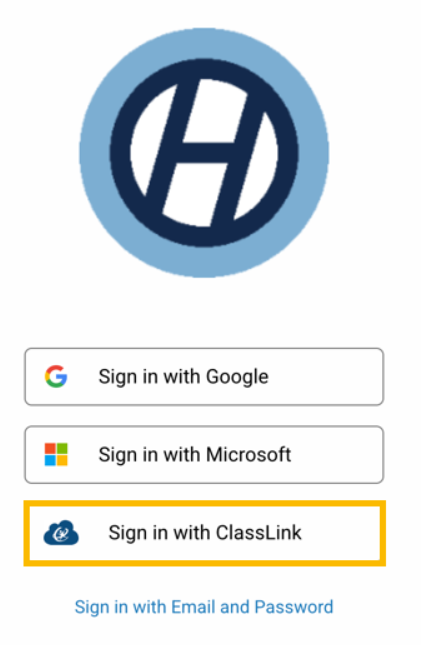
ClassLink Single Sign-On is now available! Plus updates to EventsHQ, HeroHQ, InventoryHQ, and introducing our new InspectionHQ module.
The ToolBox – June Edition
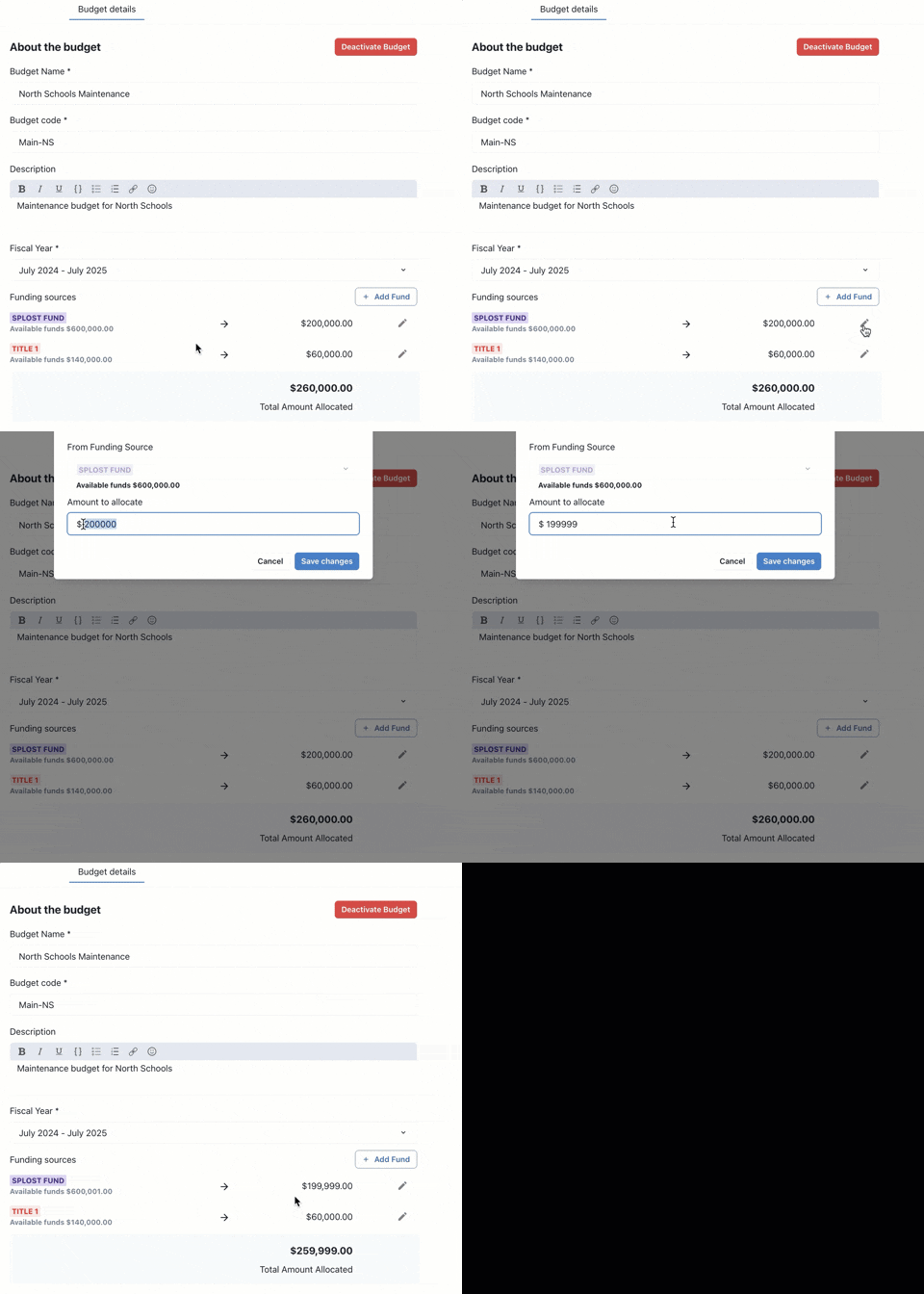
Our focus for May centered around a few key areas; Ease of use, workflow flexibility, and laying the groundwork for even bigger things ahead.
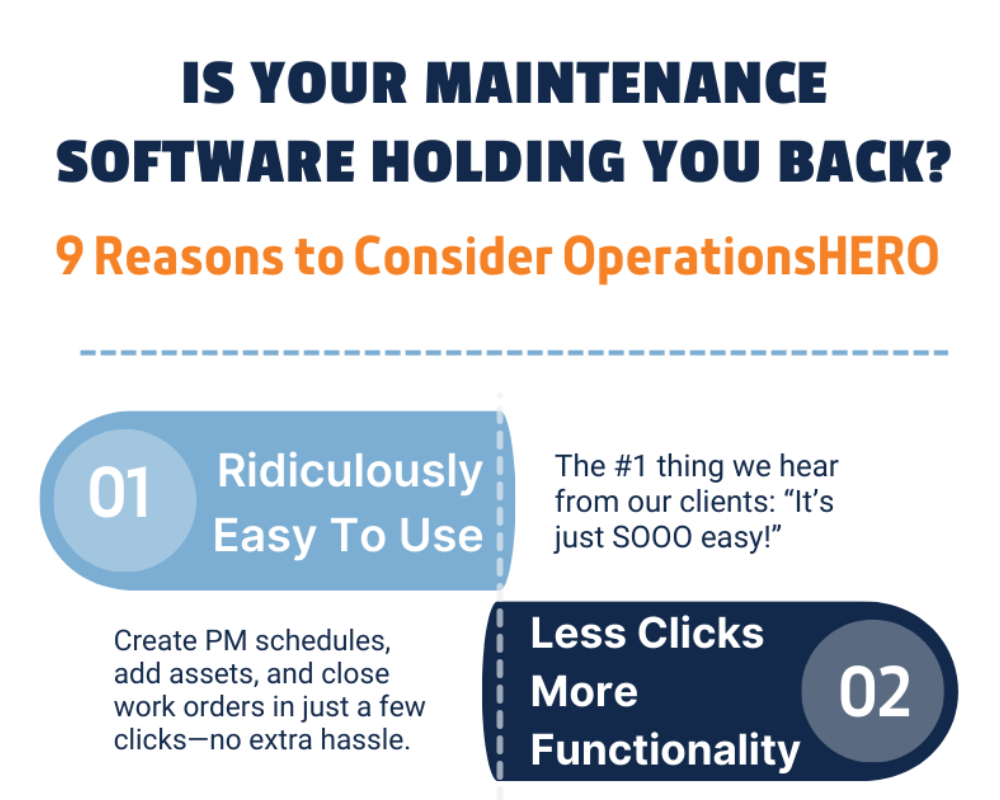
Not LOVING Your Current System? Here's 9 Reasons to Consider OperationsHERO
Technology has come so far in the last 20 years—but many facilities teams are still stuck using outdated, clunky systems that create more headaches than solutions.
Why Roof and HVAC Preventive Maintenance Pays Off
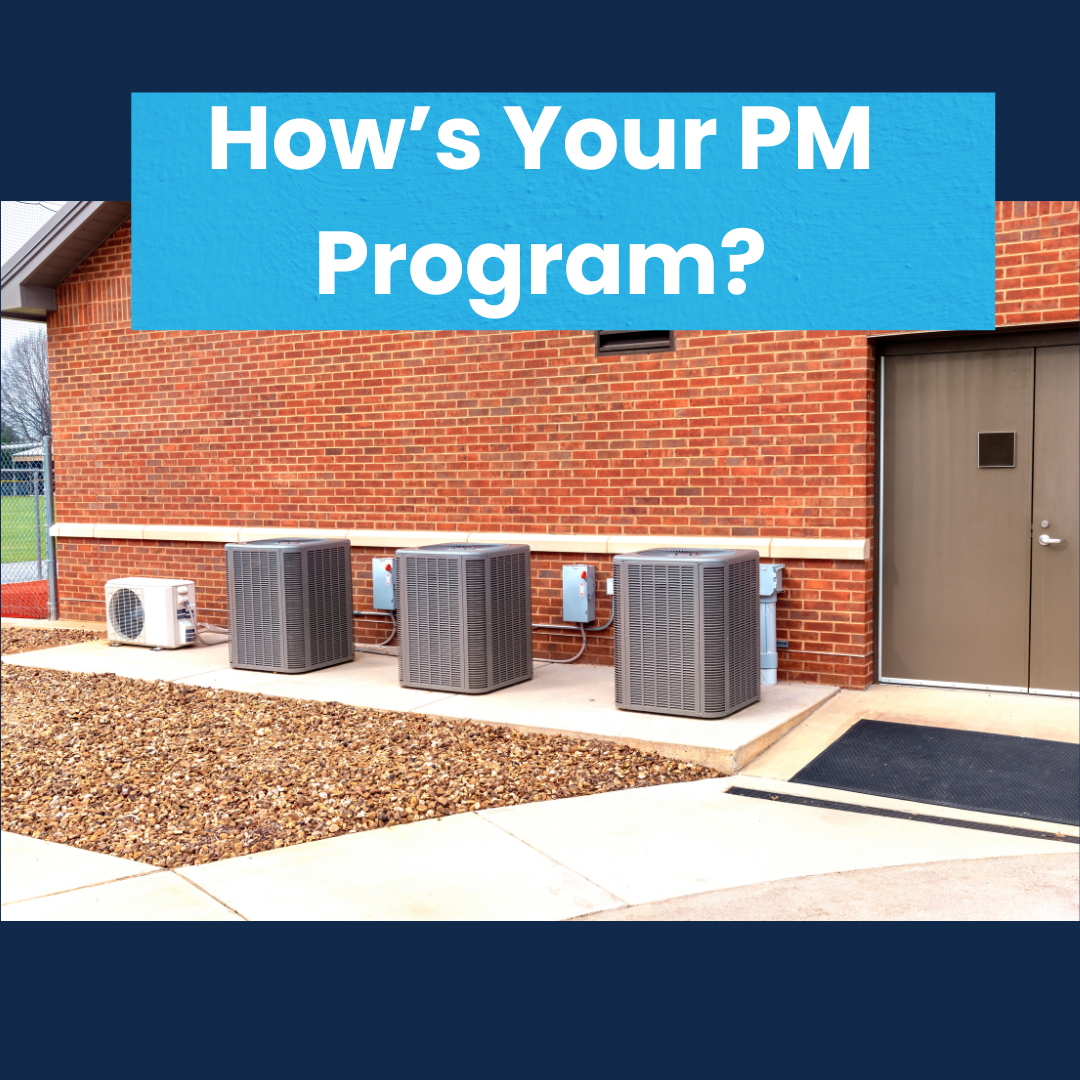
When you think about maintenance priorities, it's easy to focus on what's urgent. But roof and HVAC systems are two of the most expensive parts of your building.

From 'Oh My' to AI: How Schools Are Transforming School Facilities Management
Modern technology is making it easier than ever for schools to stay ahead of shrinking budgets, aging buildings, and skilled labor shortages.

Preventive Maintenance Meets AI: Smarter Task Books, Better Results
According to the U.S. Department of Housing and Urban Development, for every $1 spent on preventive maintenance, you can save up to $4 in future repair and replacement costs.

Who Uses a CMMS? Understanding the Different User Types and Their Needs
Different user groups have unique expectations, and designing your CMMS experience around those needs can dramatically improve user adoption and satisfaction.

How St. Joseph School District Transformed Facility Management—Without the Headaches
St. Joseph School District's previous CMMS was outdated, clunky, and difficult to use. Here's how they transformed facility management with OperationsHERO.