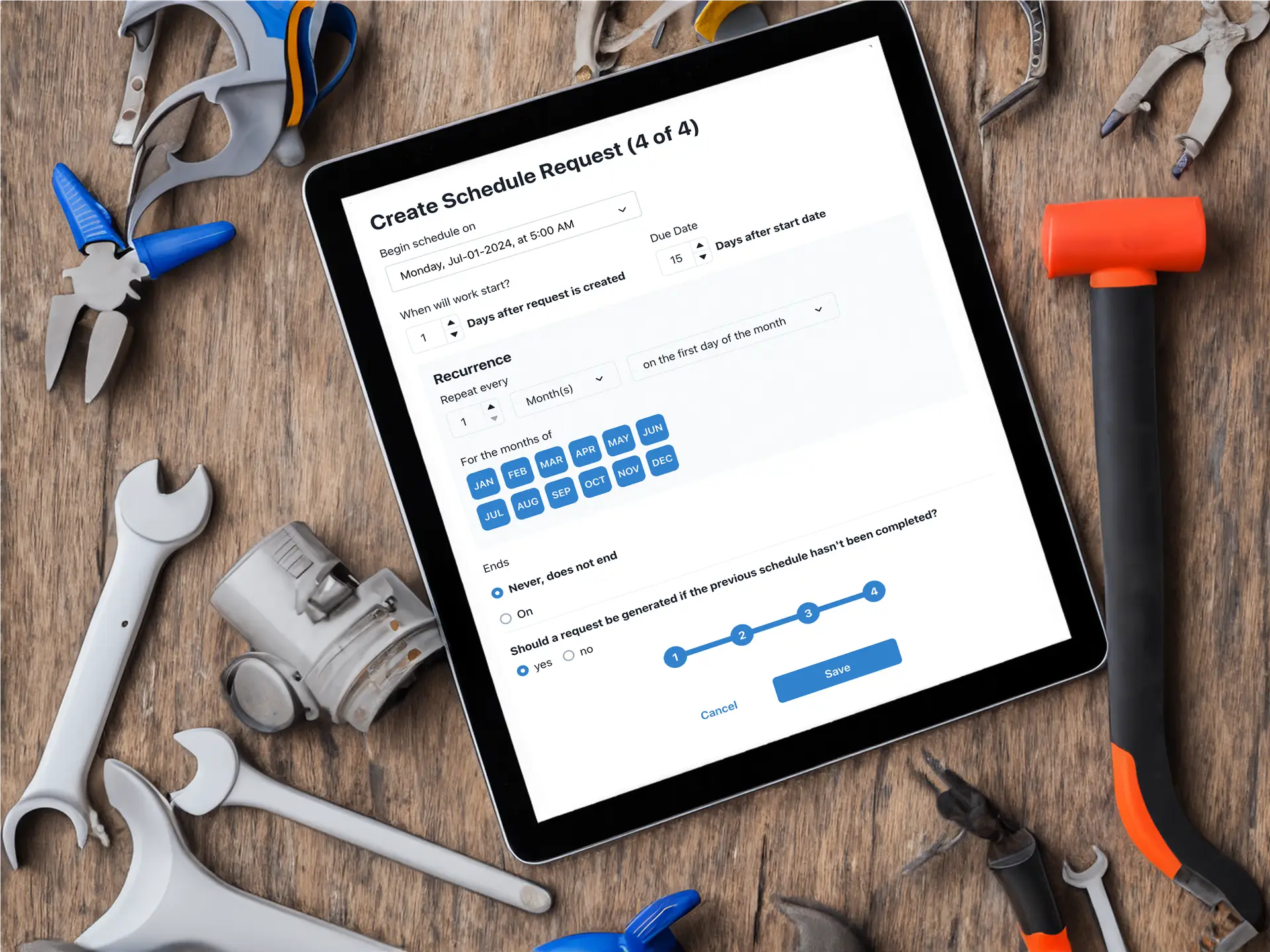
In the pursuit of providing a conducive learning environment for students, educators and administrators often focus on curriculum development, teaching methodologies, and extracurricular activities. However, one aspect that is sometimes overlooked but plays a pivotal role in ensuring the smooth functioning of educational institutions is preventative maintenance. Regular upkeep of school facilities, equipment, and infrastructure is not merely a matter of convenience; it is an investment in the long-term success of both students and the institution itself.
1. Preserving Infrastructure Integrity
Preventative maintenance is akin to healthcare for school buildings. Just as routine check-ups and a healthy lifestyle can prevent serious health issues, regular inspections and maintenance can help preserve the integrity of school infrastructure. This includes everything from the roof to the foundation, ensuring the physical environment is safe and conducive to learning.
2. Enhancing Safety and Security
The safety of students and staff is paramount in any educational setting. Routine maintenance helps identify and address potential hazards, such as faulty wiring, slippery floors, or structural weaknesses. By addressing these issues promptly, schools can create a secure environment, reducing the risk of accidents and ensuring the well-being of everyone on campus.
3. Prolonging Equipment Lifespan
Schools have various tools, devices, and technologies to facilitate learning. From computers and projectors to laboratory equipment, these assets represent a significant financial investment. Regular maintenance not only ensures that these tools function optimally but also extends their lifespan, ultimately saving the institution money in the long run by reducing the need for premature replacements.
4. Optimizing Learning Spaces
Well-maintained classrooms and common areas contribute to a positive learning environment. Clean, organized, and comfortable spaces can have a positive impact on students' concentration, behavior, and overall well-being. Preventative maintenance, including regular cleaning and updates, helps create a conducive atmosphere for effective teaching and learning.
5. Budgetary Considerations
Neglecting preventative maintenance can lead to unforeseen and costly repairs. By allocating resources to regular upkeep, schools can avoid major, budget-draining issues that may arise from neglected maintenance. This approach is not only fiscally responsible but also allows schools to allocate funds more effectively, focusing on educational initiatives rather than reactive repairs.
6. Community Perception and Engagement
The condition of a school's facilities often reflects on the community's perception of the institution. A well-maintained school communicates a commitment to quality education and student well-being. This positive image can foster community support, engagement, and pride in the school, potentially attracting more students and support from parents and local businesses.
Conclusion
In the intricate tapestry of education, preventative maintenance is the silent yet powerful thread that weaves through the success of schools. By prioritizing regular inspections, repairs, and updates, educational institutions can create a safer, more conducive learning environment. In doing so, they invest not only in the present well-being of students and staff but also in the sustained success and reputation of the school for years to come. Ultimately, preventative maintenance is an essential component of a holistic approach to education, ensuring that schools can fulfill their vital role in shaping the future.
Ready to transform your school's maintenance operations? Get a demo or start your free trial today.
Articles You May Like

AI + Human Judgment: The Partnership Facilities Teams Need
The real question isn't "Will AI take my job?" It's "How will AI help me do my job better?" Discover how AI enhances facilities teams rather than replacing them.
5 Hidden Ways Your Facilities Impact Student Outcomes
Most school leaders know that facilities matter, but few realize just how profoundly building conditions affect what happens in the classroom. Here are five surprising ways your facilities are shaping student success.

The ToolBox – August Edition
ClassLink Single Sign-On is now available! Plus updates to EventsHQ, HeroHQ, InventoryHQ, and introducing our new InspectionHQ module.
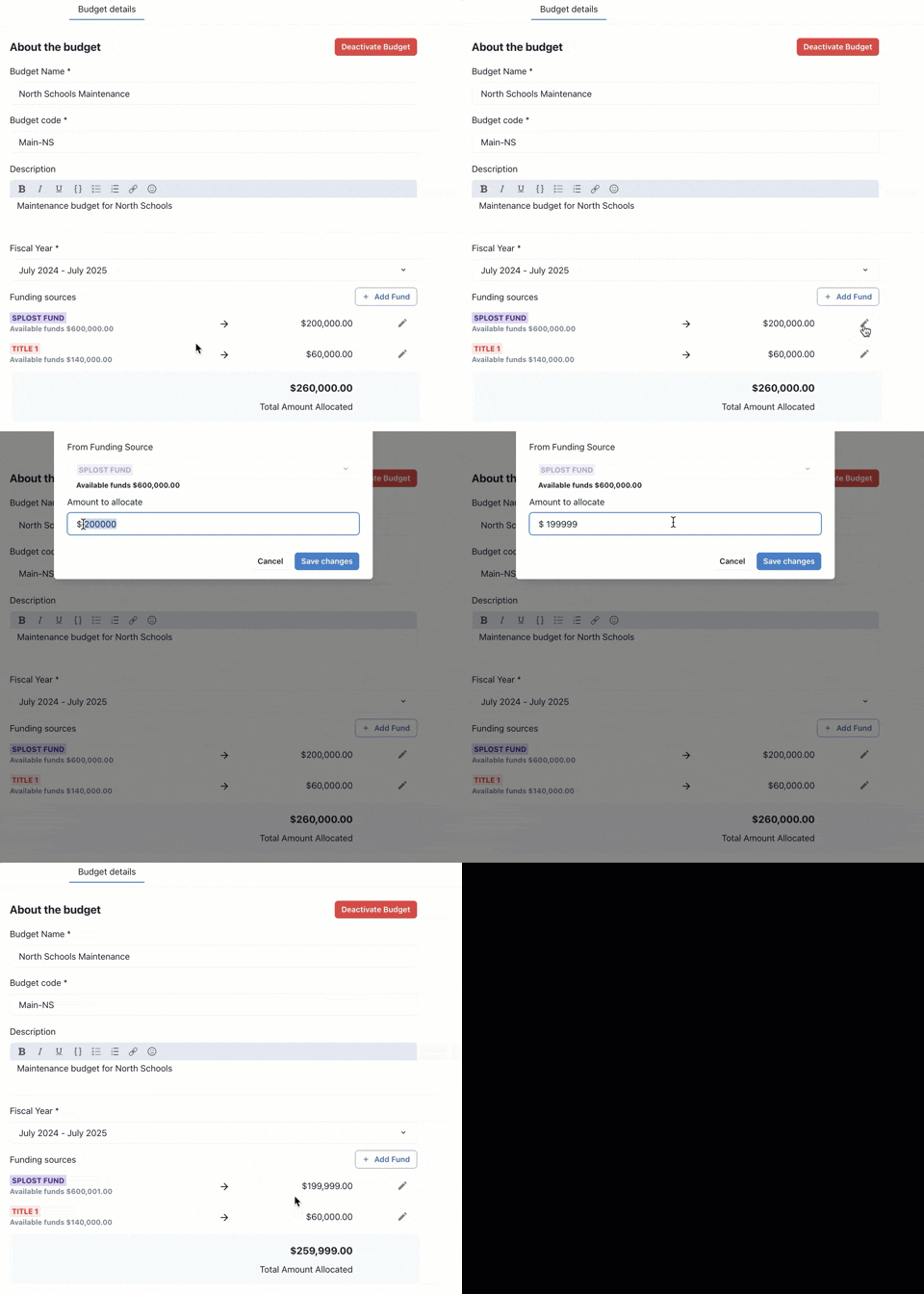
The ToolBox – June Edition
Our focus for May centered around a few key areas; Ease of use, workflow flexibility, and laying the groundwork for even bigger things ahead.
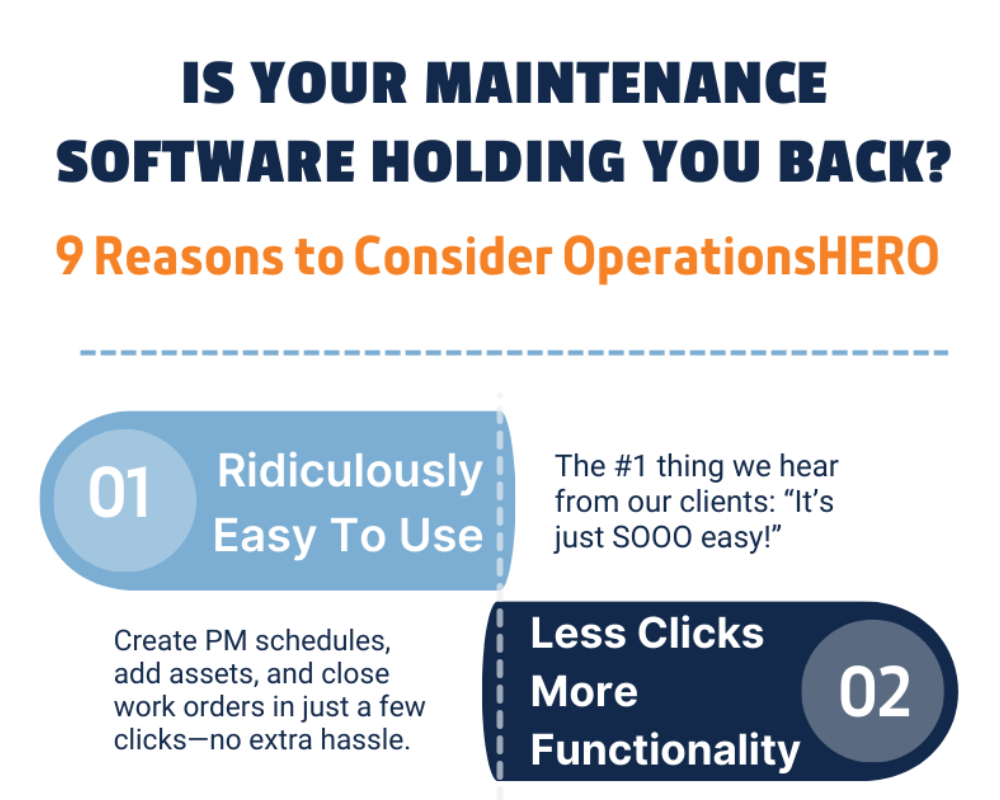
Not LOVING Your Current System? Here's 9 Reasons to Consider OperationsHERO
Technology has come so far in the last 20 years—but many facilities teams are still stuck using outdated, clunky systems that create more headaches than solutions.
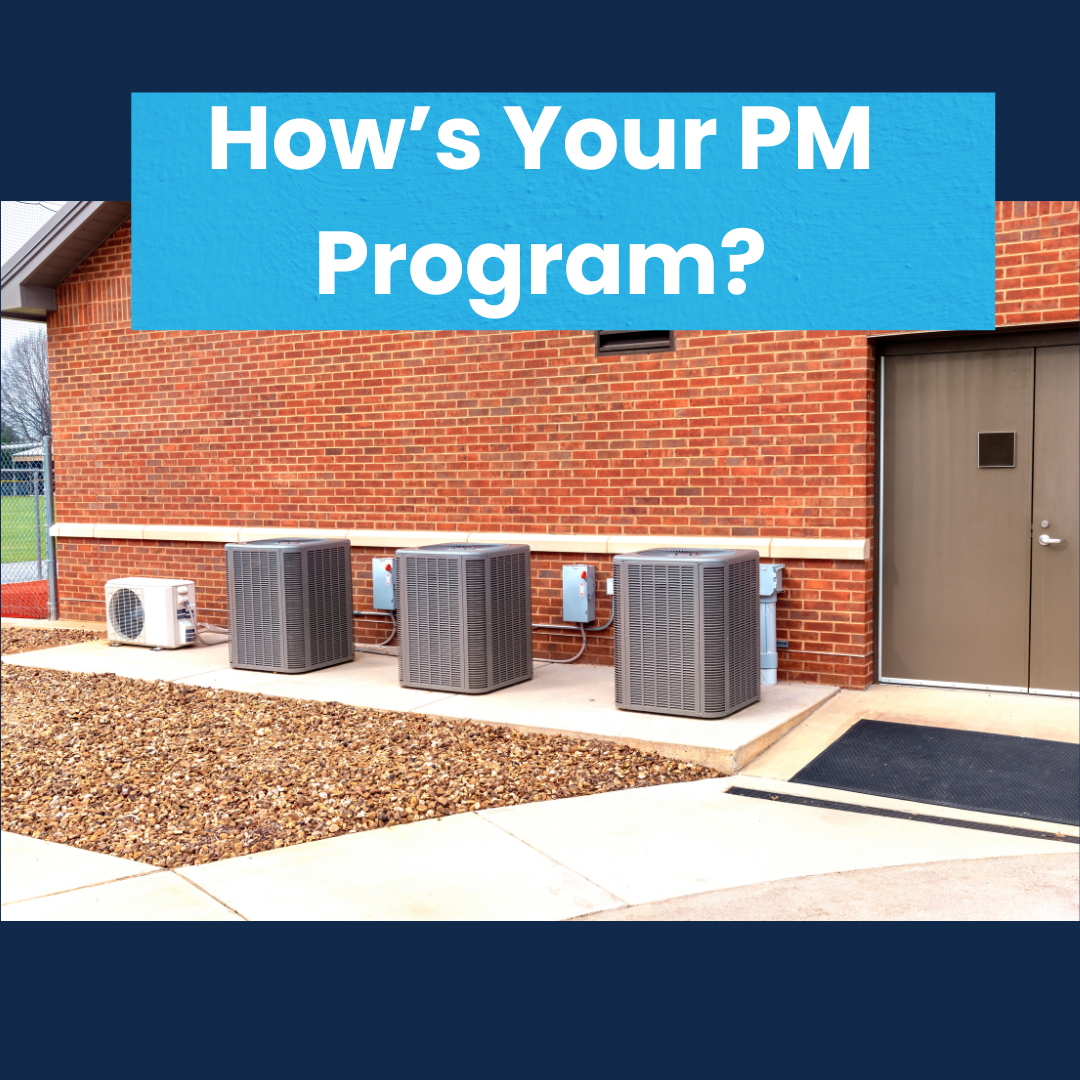
Why Roof and HVAC Preventive Maintenance Pays Off
When you think about maintenance priorities, it's easy to focus on what's urgent. But roof and HVAC systems are two of the most expensive parts of your building.

From 'Oh My' to AI: How Schools Are Transforming School Facilities Management
Modern technology is making it easier than ever for schools to stay ahead of shrinking budgets, aging buildings, and skilled labor shortages.
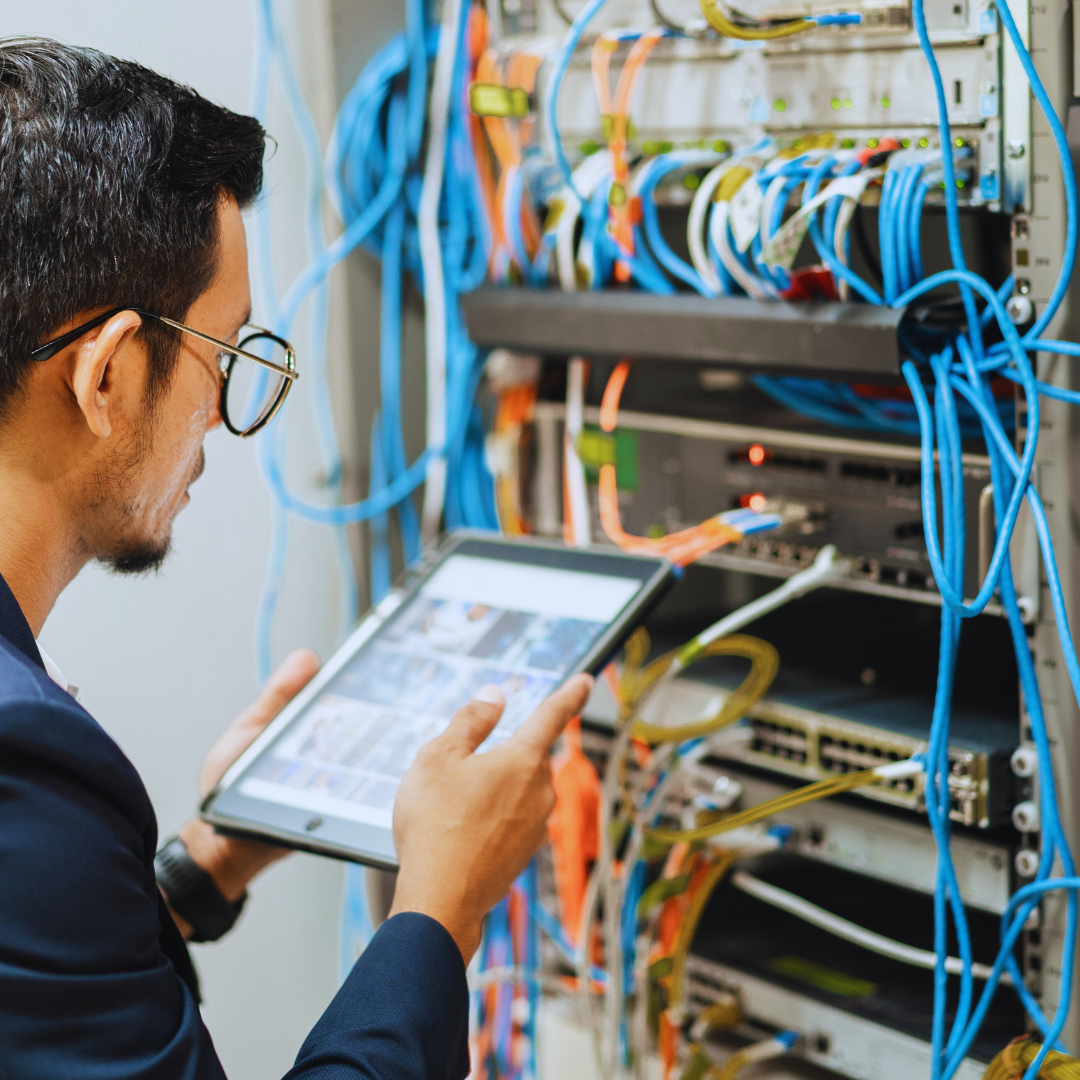
Preventive Maintenance Meets AI: Smarter Task Books, Better Results
According to the U.S. Department of Housing and Urban Development, for every $1 spent on preventive maintenance, you can save up to $4 in future repair and replacement costs.

Who Uses a CMMS? Understanding the Different User Types and Their Needs
Different user groups have unique expectations, and designing your CMMS experience around those needs can dramatically improve user adoption and satisfaction.
How St. Joseph School District Transformed Facility Management—Without the Headaches
St. Joseph School District's previous CMMS was outdated, clunky, and difficult to use. Here's how they transformed facility management with OperationsHERO.