Are rising energy costs giving you sleepless nights and making each budget season feel like a scramble?
At Cypress-Fairbanks ISD, Energy Manager Manny Villalobos turned that challenge into a success story.
If you're looking for a playbook that's equally practical and inspiring, keep reading! You'll learn how CFISD, with Villalobos at the helm, went from just keeping the lights on, to multi-million dollar savings and without adding layers of bureaucracy or hiring new staff.
The Challenge: More Square Footage & Less Budget
When Villalobos stepped into his role at CFISD, he didn't inherit a blank slate. He inherited:
- A $1M budget reduction
- Energy expectations without additional staffing
- An environment resistant to change
- Additional square footage being added with no additional budget allocation
Even basic operational adjustments, like reducing outside air during summer, were met with hesitation. Not everyone welcomed immediate change, and Villalobos knew that no amount of personal conviction would be enough on its own.
The Solution: Benchmarking, Relationships & Storytelling
Villalobos' first move wasn't to convince people; it was to prove reality.
"You may feel like your buildings are running fine, but feelings don't get you funding. Benchmarking gives you the real story." – Manny Villalobos
By benchmarking CFISD's performance against 40 neighboring districts using both CenterPoint localized data and ENERGY STAR models, he established a defensible baseline:
Baseline Cost (2022): $1.20 per square foot (Electricity + Water + Gas Combined)
His target was clear:
Reduce to $1.10 per square foot. A ten-cent reduction might not sound like a lot until you apply scale.
With nearly 18 million square feet under management, Villalobos translated that target into district language:
"A 10 cent reduction = $1.8 million. We're not turning dials; we're recovering salaries, buses, and programs."
That was the turning point.
Once the story was framed in credible numbers, district politics gave way to district alignment.
Partnership with OperationsHERO: From Data Collection to Decision Support
To scale the effort and eliminate manual bill tracking, more than 500 monthly utility bills across electricity, water, and gas, CFISD partnered with OperationsHERO and implemented the EnergyHQ platform.
This allowed Villalobos to turbo charge his efforts and build a credible story his leadership could understand:
| Challenge | Enabled by EnergyHQ |
|---|---|
| Manual bill entry consuming staff time | Automated line-item extraction (usage, demand, power factor, delivery charges) |
| Limited visibility into building-level inefficiencies | Cost-per-square-foot comparisons across elementary, middle, and high school types |
| Difficulty isolating unspoken cost drivers | Detection of poor-performing facilities via opportunity scoring |
| Leadership skepticism | Leadership-ready reporting that projected avoided costs |
EnergyHQ didn't replace Villalobos' expertise, it amplified it.
The Results: Millions Saved and Reinvested
Benchmarking proved our impact, and analytics kept it growing.
By comparing actual spend vs. what CFISD would have spent if 2022 operational performance had remained unchanged, Villalobos was able to clearly quantify avoided costs:
| Fiscal Year | Projected Cost (at 2022 Performance) | Actual Cost | Cost Avoidance |
|---|---|---|---|
| 2023 | ~$23M | ~$21M | $2M saved |
| 2024 | ~$23M+ | ~$20M | $3M+ saved |
This wasn't just theoretical; Villalobos used this validated savings narrative to request reinvestment approval from leadership.
This request resulted in CFISD funding a district-wide preventive chiller maintenance program, an initiative that had previously stalled due to budget hesitation.
Leadership now supports deeper forecasting and long-range planning as CFISD prepares for anticipated rate increases in 2029.
What Other Districts Can Learn
You don't need a huge team of people or total school buy-in to start an energy strategy, you need a trusted baseline.
Here's how CFISD moved from politics to progress:
- Start with benchmarking, not persuasion
- Translate kWh into dollars-per-square-foot; leadership speaks budget, not BTUs
- Use data to create alignment, not confrontation
- Turn early savings into reinvestment fuel
Ready to Move from Reporting to Strategy?
OperationsHERO doesn't just provide dashboards, we help districts build strategy and influence.
If you're tracking bills but struggling to turn data into decisions, start your free trial and let OperationsHERO help you turn reporting into strategy.
Articles You May Like

AI + Human Judgment: The Partnership Facilities Teams Need
The real question isn't "Will AI take my job?" It's "How will AI help me do my job better?" Discover how AI enhances facilities teams rather than replacing them.
5 Hidden Ways Your Facilities Impact Student Outcomes
Most school leaders know that facilities matter, but few realize just how profoundly building conditions affect what happens in the classroom. Here are five surprising ways your facilities are shaping student success.
The ToolBox – August Edition
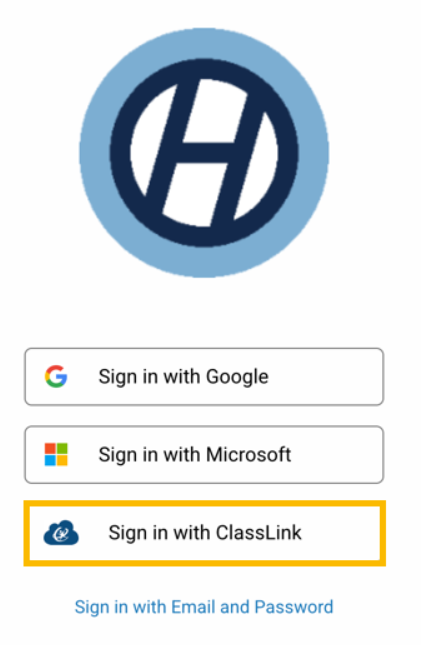
ClassLink Single Sign-On is now available! Plus updates to EventsHQ, HeroHQ, InventoryHQ, and introducing our new InspectionHQ module.
The ToolBox – June Edition
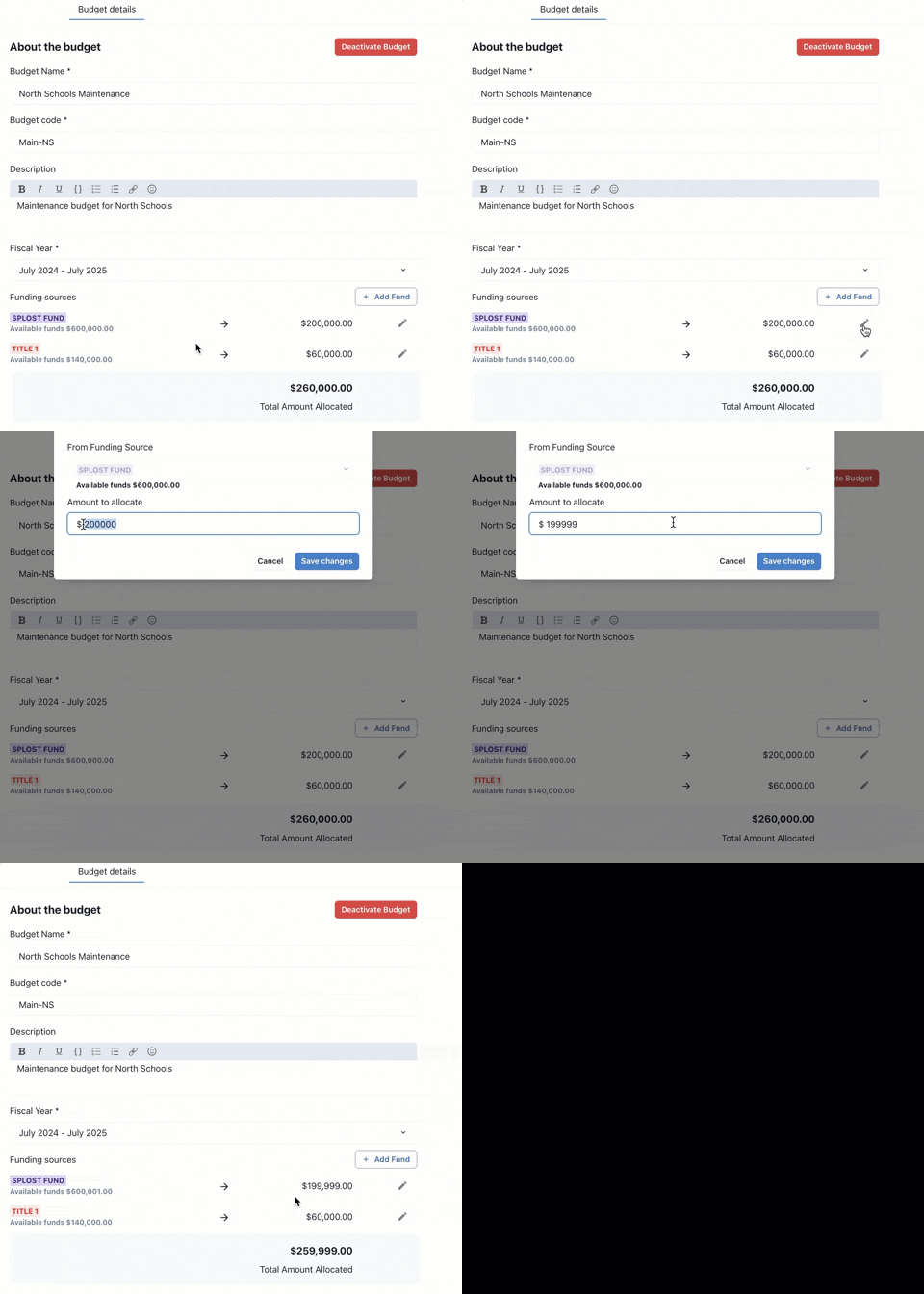
Our focus for May centered around a few key areas; Ease of use, workflow flexibility, and laying the groundwork for even bigger things ahead.
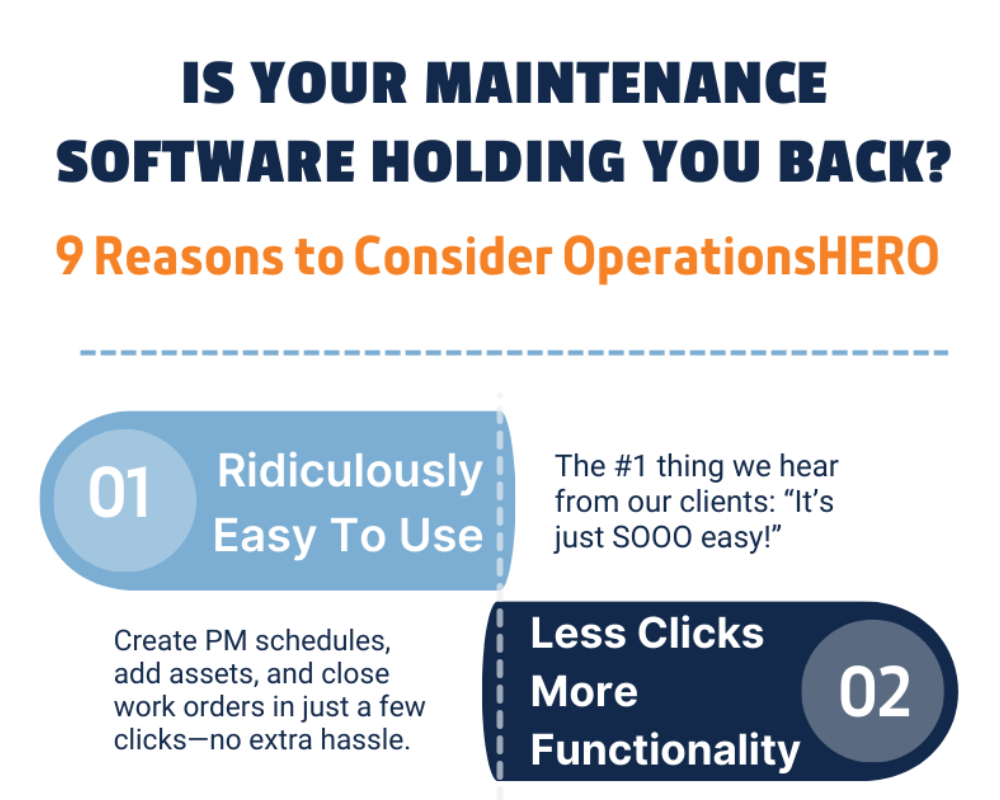
Not LOVING Your Current System? Here's 9 Reasons to Consider OperationsHERO
Technology has come so far in the last 20 years—but many facilities teams are still stuck using outdated, clunky systems that create more headaches than solutions.
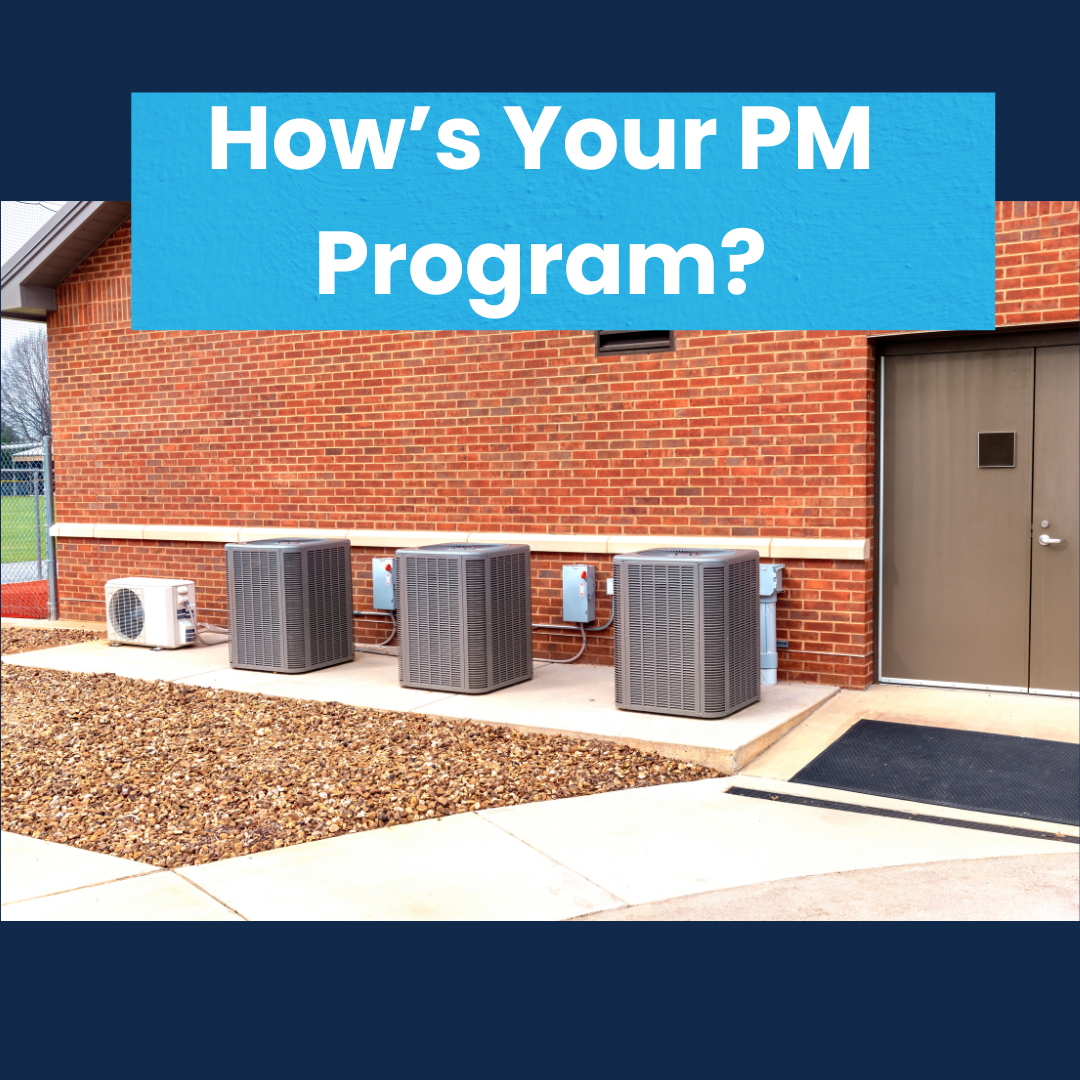
Why Roof and HVAC Preventive Maintenance Pays Off
When you think about maintenance priorities, it's easy to focus on what's urgent. But roof and HVAC systems are two of the most expensive parts of your building.

From 'Oh My' to AI: How Schools Are Transforming School Facilities Management
Modern technology is making it easier than ever for schools to stay ahead of shrinking budgets, aging buildings, and skilled labor shortages.

Preventive Maintenance Meets AI: Smarter Task Books, Better Results
According to the U.S. Department of Housing and Urban Development, for every $1 spent on preventive maintenance, you can save up to $4 in future repair and replacement costs.

Who Uses a CMMS? Understanding the Different User Types and Their Needs
Different user groups have unique expectations, and designing your CMMS experience around those needs can dramatically improve user adoption and satisfaction.

How St. Joseph School District Transformed Facility Management—Without the Headaches
St. Joseph School District's previous CMMS was outdated, clunky, and difficult to use. Here's how they transformed facility management with OperationsHERO.