
Managing school facilities has never been simple, but today's challenges—shrinking budgets, aging buildings, and a skilled labor shortage—are pushing schools to rethink how they operate. Fortunately, modern technology is making it easier to stay ahead.
That was the focus of our latest webinar, From 'Oh My' to AI: The Future of School Facilities Management, where industry experts discussed how artificial intelligence (AI), automation, and smarter workflows are transforming the way schools maintain their buildings. If you're a facility director wondering how to keep up with these changes while keeping costs under control, this conversation is for you.
Here's a sneak peek at some of the biggest takeaways.
Meet the Experts
Before we dive in, let's introduce the panelists who brought decades of experience to the discussion:
- Josh Peach (Moderator) – A facilities industry veteran and advocate for better school operations, Josh led the conversation with his signature mix of humor and real-world insights.
- Dr. Brandon Payne – Former principal, superintendent, and deputy state superintendent, Dr. Payne has over 30 years of experience in education and facilities management. His deep understanding of school operations brought valuable perspective on how maintenance impacts student learning.
- Leo Brehm – With a background in IT and finance, Leo has spent years helping school districts modernize their systems. His expertise in digital transformation helped frame how AI and automation are changing the game for facility teams.
- Anne Birky – A seasoned facilities leader with 18 years of experience, Anne has overseen the construction of eight schools and the implementation of multiple CMMS (Computerized Maintenance Management System) platforms. She provided a firsthand look at how schools are adapting to new technology.
- Scott Carpenter – President and co-founder of OperationsHERO, Scott shared his insights from his 30+ years of experience on what schools should look for when upgrading their maintenance systems.
How Facilities Management Has Evolved—And Why It Matters
The conversation began with a simple but powerful question: How much has school facilities management changed in the last decade?
Dr. Payne, who has spent decades working in schools at every level, reflected on just how far things have come.
"Thirty years ago, we were dealing with paper forms. Even ten years ago, work order systems were basic. Now, we've got QR codes for assets, instant access to schematics, and AI-powered tracking. The game has changed."
This shift isn't just about convenience—it has real financial and operational benefits. By automating work orders and tracking maintenance more effectively, schools can cut response times, reduce costs, and create better environments for students and staff.
Customer Service Matters More Than Ever
One surprising theme? Facilities management is as much about customer service as it is about fixing buildings.
Josh Peach, who has spent nearly two decades working with school facility teams, pointed out how expectations have changed:
"Thirty years ago, it was just about keeping things running. Now, communication is key. Teachers, staff, and even students want to know what's going on with their environment. They want transparency, responsiveness, and a team that's engaged."
Anne agreed, adding that the size and complexity of school districts make communication even more critical.
"We've built eight schools in 18 years, and the expectations have only increased. It's not just about making repairs—it's about showing that we're listening and responding quickly."
One way to improve communication? A modern CMMS that allows staff to submit, track, and receive updates on work orders in real time.
AI in Facilities Management: Hype or Real Impact?
Artificial intelligence is everywhere, but does it actually help in school maintenance? According to the panelists, the answer is yes—if it's used correctly.
Leo, who has worked at the intersection of IT and facilities for years, put it in perspective:
"AI is to this generation what the internet was to us. It's not about replacing people—it's about giving them better tools."
Dr. Payne explained how AI is already making a difference:
- Automated asset tracking – AI can scan and log equipment in seconds, eliminating manual data entry.
- Predictive maintenance – AI can analyze trends and suggest when to service equipment before it fails.
- Task automation – From generating preventive maintenance schedules to improving work order workflows, AI is eliminating tedious admin work.
For schools, this means more efficient maintenance, fewer costly repairs, and better planning for future needs.
Bridging the Skilled Labor Gap with Tech
One of the biggest concerns in school facilities management? The retirement cliff. Skilled tradespeople are retiring at a rapid pace, and there aren't enough new workers stepping in to replace them.
Anne stressed the importance of mentorship:
"Younger workers may not have decades of experience, but they do have tech skills. If we can mentor them while leveraging their digital knowledge, we can close that gap faster."
Keith Watkins, a facilities leader in New Rochelle, shared how his district is tackling the problem—by running high school internships in HVAC and electrical work.
"We bring in six interns every year to get hands-on experience. Some of them even go on to full-time roles in the district."
The key takeaway? Schools that invest in both mentorship and modern tools will be better positioned to handle workforce challenges in the coming years.
Thinking About a New CMMS? Here's What to Watch For
For schools considering an upgrade to their maintenance systems, the panelists had some practical advice.
Red Flags When Evaluating a CMMS
- Too many steps to submit a request – If teachers and custodians need a manual to log a work order, it's too complicated.
- Poor customer support – If a vendor disappears after the sale, you'll regret it fast.
- Hidden contract clauses – Some vendors bury auto-renewals and cancellation penalties in the fine print. Always read the details.
Must-Have Features in a Modern CMMS
- Easy-to-use mobile access – Staff should be able to update work orders on the go.
- Seamless integration – The system should connect with finance, IT, and facility use scheduling.
- Strong reporting tools – If you can't quickly pull data to justify budget requests, it's not doing its job.
Making Work Fun Again
Finally, the panelists addressed a crucial question: How do we make facilities management a more enjoyable career?
Josh's advice? Start by listening to your team.
"A simple 'thank you' or recognizing someone's hard work goes a long way. It doesn't always have to be a pizza party—just showing appreciation can make a huge difference."
Other suggestions included:
- Weekly team check-ins – Give staff a chance to share wins and discuss challenges.
- Highlighting "unsung heroes" – Publicly recognize team members for their contributions.
- Creating clear career paths – When people see opportunities for growth, they're more likely to stay engaged.
Watch the Full Webinar Recording
If you're in school facilities management, this discussion is one you don't want to miss. From practical strategies to real-world insights, it's a must-watch for anyone looking to improve their district's operations.
And if you've got thoughts on the future of facilities management—whether it's AI, staffing, or customer service—drop a comment. We'd love to hear your perspective!
Articles You May Like

AI + Human Judgment: The Partnership Facilities Teams Need
The real question isn't "Will AI take my job?" It's "How will AI help me do my job better?" Discover how AI enhances facilities teams rather than replacing them.
5 Hidden Ways Your Facilities Impact Student Outcomes
Most school leaders know that facilities matter, but few realize just how profoundly building conditions affect what happens in the classroom. Here are five surprising ways your facilities are shaping student success.

The ToolBox – August Edition
ClassLink Single Sign-On is now available! Plus updates to EventsHQ, HeroHQ, InventoryHQ, and introducing our new InspectionHQ module.
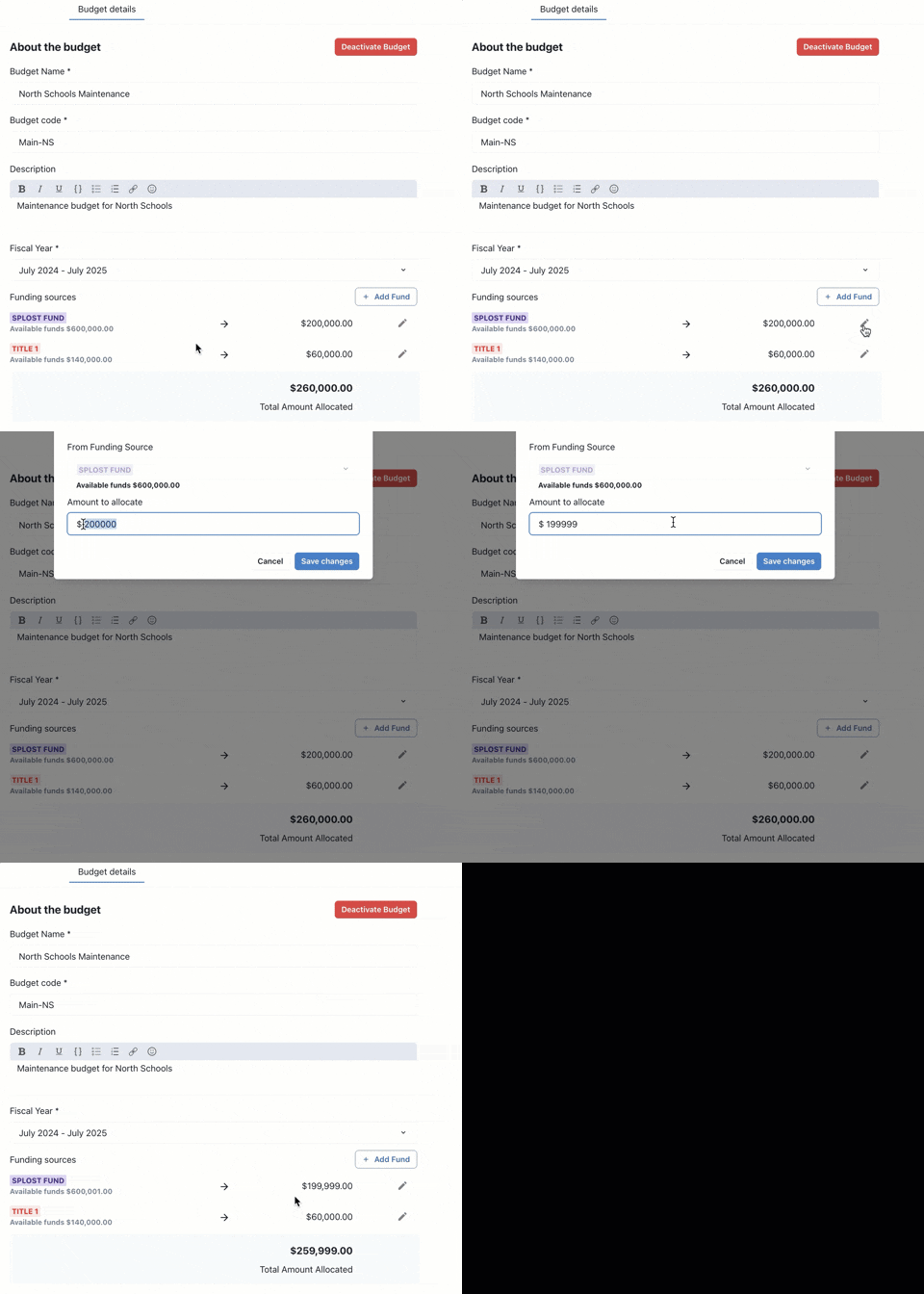
The ToolBox – June Edition
Our focus for May centered around a few key areas; Ease of use, workflow flexibility, and laying the groundwork for even bigger things ahead.
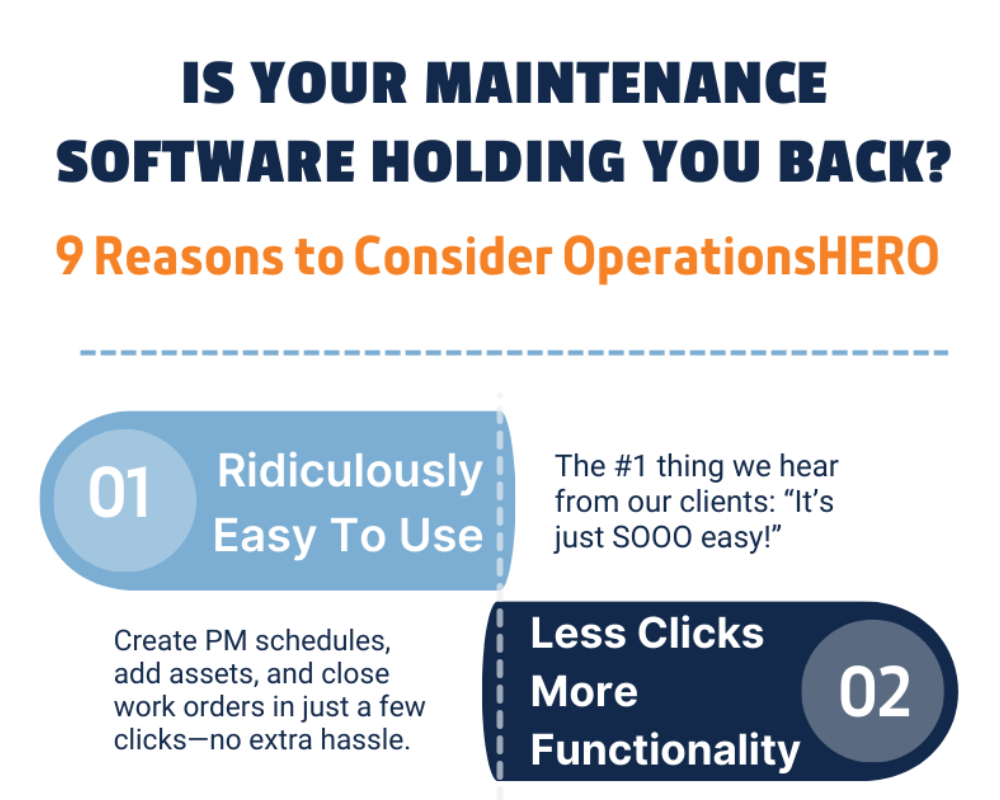
Not LOVING Your Current System? Here's 9 Reasons to Consider OperationsHERO
Technology has come so far in the last 20 years—but many facilities teams are still stuck using outdated, clunky systems that create more headaches than solutions.
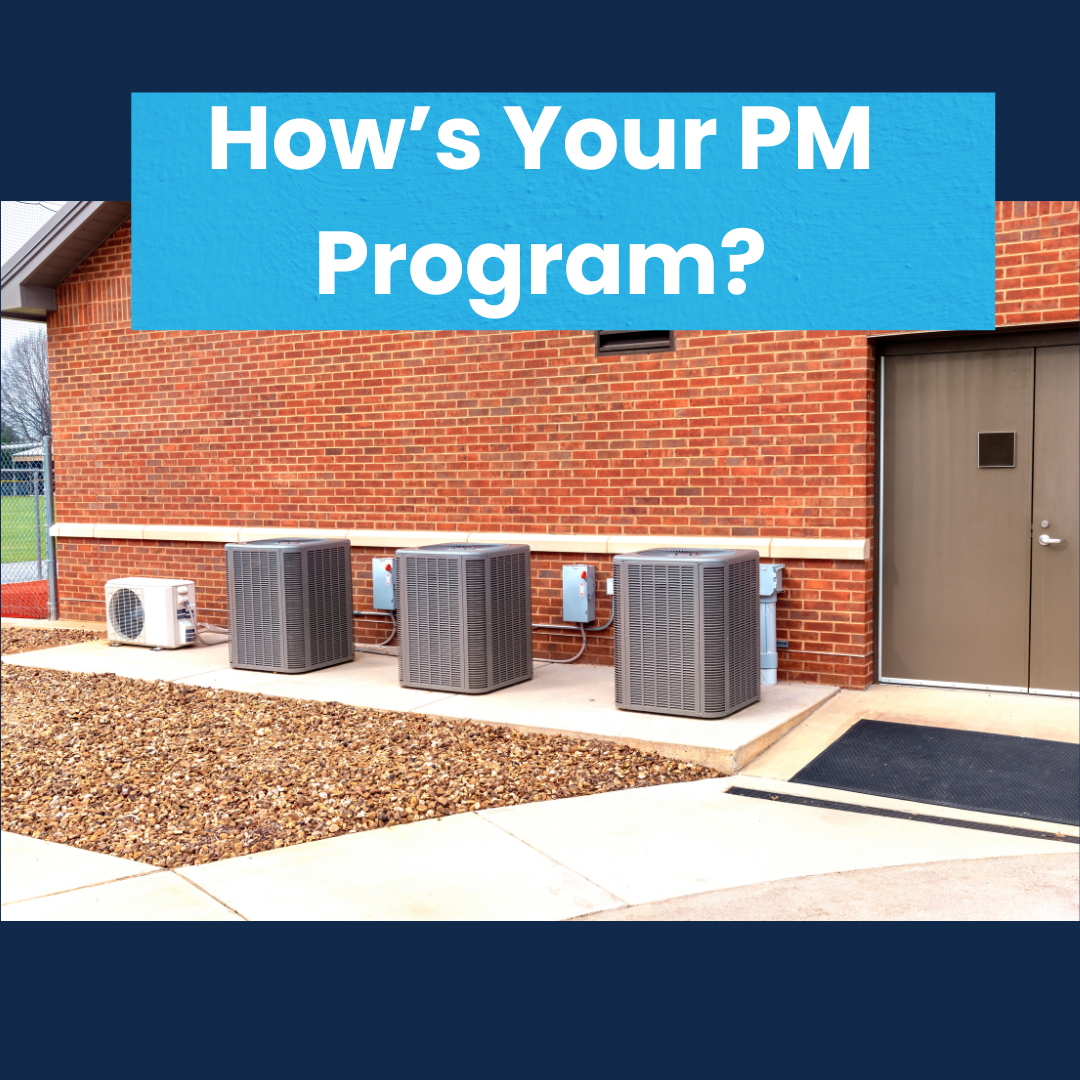
Why Roof and HVAC Preventive Maintenance Pays Off
When you think about maintenance priorities, it's easy to focus on what's urgent. But roof and HVAC systems are two of the most expensive parts of your building.

Preventive Maintenance Meets AI: Smarter Task Books, Better Results
According to the U.S. Department of Housing and Urban Development, for every $1 spent on preventive maintenance, you can save up to $4 in future repair and replacement costs.

Who Uses a CMMS? Understanding the Different User Types and Their Needs
Different user groups have unique expectations, and designing your CMMS experience around those needs can dramatically improve user adoption and satisfaction.

How St. Joseph School District Transformed Facility Management—Without the Headaches
St. Joseph School District's previous CMMS was outdated, clunky, and difficult to use. Here's how they transformed facility management with OperationsHERO.

Upgrading Your School's Facility Management System—Without the Headaches
If you're managing a school's facilities, chances are you're juggling more than just maintenance work orders. Modern facility management tools can make your life easier, not harder.