Most school leaders know that facilities matter, but few realize just how profoundly building conditions affect what happens in the classroom. Research consistently demonstrates that the physical learning environment directly influences student achievement, attendance, and behavior. Here are five surprising ways your facilities are shaping student success—backed by data that might change how you think about your next budget decision.
1. Natural Lighting Can Boost Test Scores by Up to 26%
Picture two identical classrooms—same teacher, same curriculum, same students. The only difference? One has large windows with plenty of natural light, while the other relies entirely on fluorescent fixtures. By the end of the year, students in the naturally-lit classroom will likely be several weeks ahead in learning.
That's not speculation; it's what the research shows. A study commissioned by the California Energy Commission found that "students with maximum exposure to daylight in their classrooms progressed 20% faster on math tests and 26% faster on reading tests" compared to students in classrooms with minimal natural lighting. A separate study in North Carolina tracking over 1,200 students found similar results—those in daylit schools outperformed their peers by 5-14% across standardized measures.
The University of Oregon's NetZED Laboratory took this research further and discovered that even views of nature through windows significantly improve learning outcomes. Interestingly, even something as simple as indoor plants appears to help.
Why it matters:
Natural light does more than just illuminate—it fundamentally affects how students' brains function throughout the day. Research shows that proper exposure to natural light regulates circadian rhythms, leading to better sleep quality. Students who get adequate natural light exposure can gain up to 46 additional minutes of restful sleep per night, and well-rested students perform up to 14% better on assessments. It's a virtuous cycle: better light leads to better sleep, which leads to better learning.
Action step:
When planning renovations or new construction, prioritize window-to-floor area ratios and consider south-facing windows when possible for consistent natural light. For existing buildings, remove heavy window coverings that block daylight and replace them with interior shading systems or adjustable blinds that control glare and heat gain while still allowing natural light to diffuse throughout the room. This balanced approach gives you the learning benefits of daylight without the energy costs of excessive heat gain.
2. Temperature Control Is About Brain Function, Not Just Comfort
Ask any teacher about classroom temperature and you'll hear stories: the room that's always freezing in the morning, the portable that becomes unbearable by afternoon, the ancient building where one hallway roasts while another freezes. These aren't just comfort complaints—they're learning barriers.
Pennsylvania State University research pinpointed the optimal temperature range for learning: 68-74°F. Seems simple enough, but here's where it gets serious. A Harvard study tracking 10 million PSAT test-takers revealed that "for every single degree Fahrenheit increase in temperature during the school year, student achievement fell by 1% of a year's worth of learning." Even more troubling: this effect was three times more damaging for Black and Hispanic students than for white students, widening achievement gaps.
Research on 140 fifth-grade classrooms found that within the 68-77°F range, students' test scores increased by 12-13 points with each degree decrease in temperature. Another study of 4.5 million New York City high school exit exams showed students scored significantly lower on 90-degree days compared to 72-degree days—with lasting effects on graduation rates.
Why it matters:
When your body is fighting to maintain comfortable temperature, your brain can't fully focus on learning. Maintaining homeostasis becomes the priority, making it genuinely harder to concentrate on algebra or Shakespeare. Think about trying to take a test while shivering or sweating—your cognitive capacity is literally diverted to basic survival functions.
Action step:
Leverage your existing Building Automation System (BAS) to implement cost-effective temperature strategies. Work with your facilities team to optimize occupied/unoccupied schedules—with evenings, weekends, holidays, and summers, schools typically operate only 2,400 hours per year out of 8,760 total hours, meaning 73% of the time buildings can run on energy-saving setback temperatures. Implement setback temperatures of 7-10°F during these unoccupied periods, which can reduce heating and cooling costs by up to 10% annually. Expand deadbands between heating and cooling modes to reduce simultaneous heating and cooling waste. You can also leverage tools such as EventHQ and AutomationHQ to control heating and cooling during off school hours. Present data-driven proposals to your school board showing energy savings projections alongside student achievement research to build the case for strategic HVAC investments. Use window coverings strategically—interior shading systems or adjustable blinds that block summer heat gain while still allowing natural light diffusion can reduce cooling loads without sacrificing the learning benefits of daylight.
3. Building Maintenance Directly Impacts Student Success
Walk into a well-maintained school and you'll feel the difference immediately—fresh paint, working equipment, clean hallways, comfortable temperatures. Now contrast that with a building where the HVAC breaks causing school to be dismissed early, ceiling tiles are stained, and broken bathrooms go unrepaired for weeks. Students and teachers feel that difference every single day, and it shows up in the data.
According to the EPA, "schools without major maintenance backlogs have 4-5 more students present per 1,000 students daily," and their annual dropout rates are lower by 10-13 students per 1,000. Even more striking: test scores can improve by 3-17% as building conditions improve. When you divide facilities into "standard" versus "substandard" categories, research shows a 6.1% difference in students passing English alone—and since English affects all other academic areas, that gap compounds quickly.
But here's what often surprises school leaders: building age doesn't determine outcomes—maintenance does. As Jeff Clemmons, TASB's Director of Facility Services, puts it: "A dirty building or a building that has not been properly maintained could negatively impact student performance—regardless of the age of the facility. As long as it's maintained, it's clean, and it has been renovated to create a comfortable 21st-century learning environment, that's going to provide us with the environment most conducive to educational advancement."
Why it matters:
Think about the cascade effect of deferred maintenance. A student walks into a classroom that's too cold, or there are no working sinks in the bathroom, and there's a persistent musty smell on one side of the building. They're less likely to attend regularly. When they do attend, they're distracted and uncomfortable. Over time, these daily frustrations translate to lower engagement, reduced learning, and ultimately, diminished achievement. These issues also have a negative effect on teachers and teacher retention. The connection is clear: better-maintained buildings mean better attendance, and better attendance means better academic outcomes.
Action step:
Move beyond crisis-driven maintenance to a proactive preventive approach. Develop and maintain a preventive maintenance program. Don't let the age of your buildings become an excuse—even facilities built 50+ years ago can support excellent learning when properly maintained. Consider implementing facilities management software such as HeroHQ to track work orders, schedule preventive tasks, and demonstrate to your board and community that facility investments directly support instructional goals.
4. Indoor Air Quality Affects Daily Performance
You can't see it, but the air your students breathe is working for or against them every single day. Poor ventilation doesn't just make classrooms stuffy—it measurably reduces learning capacity.
A study of 140 fifth-grade classrooms found that "students' mathematics scores increased by up to 11 points for each improvement in ventilation rate within the optimal range." That's significant enough to move a student from one performance band to another. Poor indoor air quality also drives absenteeism, particularly for students with asthma and respiratory conditions. When students aren't in school, they're not learning—it's that simple.
Research demonstrates that bacteria, viruses, and allergens contributing to childhood illness are commonly found in schools with poor ventilation. Indoor pollutants from office equipment, flooring materials, paints, adhesives, and cleaning products affect all students, but the impact is most severe in buildings with inadequate ventilation systems.
As Karen Shwind, school nurse and Health Services coordinator at New Braunfels ISD, notes: "We always say that a healthy child is going to be your best learner. Environmental factors can lead to increased absences. If they're not in school, they're not learning."
Why it matters:
Beyond the obvious health impacts, poor air quality affects cognitive function in real-time. Students in poorly ventilated classrooms experience difficulty concentrating, increased fatigue, and slower processing speeds. A 2017 study found that improved ventilation and indoor air quality also increased teachers' job satisfaction, which directly affects retention and instructional quality—creating a positive ripple effect throughout the building.
Action step:
Schedule regular HVAC maintenance and filter replacements on a consistent calendar—this isn't optional maintenance, it's an investment in daily learning capacity. Consider upgrading to higher-efficiency filtration systems (MERV 13 or better when your system can handle it). Monitor CO2 levels as an indicator of ventilation effectiveness; levels consistently above 1,000 ppm suggest inadequate fresh air intake. Ensure outdoor air intake systems are functioning properly and not blocked by landscaping or debris. During the capital planning, evaluate your poor performing schools and prioritize ventilation upgrades alongside more visible improvements—the return on investment shows up in attendance rates and test scores.
5. Facility Quality Influences Enrollment in the Age of School Choice
Here's a reality that's reshaping public education: parents have more choices than ever before. With charter schools, magnet programs, open enrollment policies, private school vouchers, and even homeschooling becoming increasingly accessible, families aren't automatically sending their kids to the neighborhood school anymore. In fact, a 2024 survey found that "72% of parents considered new schools" for their children—up from just 52% in 2022.
So what are parents looking for when they evaluate schools? According to National Center for Education Statistics data, among parents who considered multiple schools, 79% said quality of teachers and staff was "very important," 71% prioritized safety and student discipline, and 59% valued curriculum focus. But here's what often gets overlooked: the physical condition of your facilities sends powerful signals about all of these priorities.
When parents tour your building, they're not just looking at classrooms—they're forming judgments about your entire program. Stained ceiling tiles suggest deferred maintenance. Broken equipment signals limited resources. Uncomfortable temperatures raise questions about student comfort and focus. Outdated facilities make parents wonder if your school can deliver modern, 21st-century education. Fair or not, facility conditions become a proxy for school quality in parents' minds.
The implications are significant. Survey data shows that "48% of parents believe their community doesn't provide enough education options"—meaning they're actively looking for alternatives. In this competitive environment, facilities aren't just about maintaining what you have; they're about attracting and retaining enrollment.
Why it matters:
Enrollment isn't just about pride—it's about funding. In most states, per-pupil funding follows students. Lose 50 students and you're potentially losing hundreds of thousands of dollars in annual revenue, creating a downward spiral: facility deterioration leads to enrollment losses, which leads to budget cuts, which leads to further deterioration. Districts with declining enrollment face impossible decisions about staffing, programs, and yes, facility investments.
Conversely, schools that invest in their facilities can become enrollment magnets. Parents notice when a school has working air conditioning, updated technology infrastructure, modern science labs, and well-maintained common spaces. These visible investments signal that the district values students and is preparing them for success.
Action step:
Treat your facilities as a competitive advantage. Prioritize visible improvements that signal quality—fresh paint, functioning equipment, comfortable temperatures, modern learning spaces—alongside critical infrastructure needs. Create tour routes that showcase your best facilities and address problem areas that parents consistently notice. When seeking bond approval or budget increases, frame facility investments not just as maintenance needs but as enrollment retention and attraction strategies. Present data to your community showing how facility quality connects to both student outcomes and district financial health. In an age where every family has options, your facilities are part of your value proposition—make sure they're telling the right story.
The Bottom Line: Facilities Are Fundamental to the Mission
As Gary Hutton, General Manager of Operations at Spring ISD, notes: "If you have high-functioning facilities, kids are in their seats in class, they're there, and they're learning."
That statement captures the essential truth: facilities aren't separate from instruction—they're foundational to it. The evidence shows that investments in facility improvements translate directly into better academic outcomes, with benefits that far outweigh the initial costs when measured in improved test scores, reduced achievement gaps, better attendance rates, and enhanced teacher retention.
Here's what makes this particularly urgent: schools serving disadvantaged communities have the most to gain from facility improvements. These students are disproportionately affected by poor building conditions, meaning facility investments can be powerful tools for educational equity. When we improve lighting, temperature control, air quality and maintenance in schools serving low-income students, we're not just fixing buildings—we're directly addressing opportunity gaps.
For school leaders focused on improving student outcomes, the message is clear: the physical learning environment isn't separate from the educational mission—it's fundamental to it. Every decision about facilities maintenance, every capital improvement project, every budget priority for HVAC or lighting or building systems is ultimately a decision about student achievement. The research shows it. Teachers and students feel it. And forward-thinking districts are acting on it.
When your buildings run smoothly, everything else gets easier. Students stay in class, teachers can do their best work, and families feel confident in their school. That's where OperationsHERO comes in. From preventive maintenance and work orders to energy management and capital planning, our platform helps schools protect their facilities — and the learning that happens inside them. You need tools built for education, backed by a team who understands what it takes to support a thriving campus. Because when your buildings work, your students can too. Schedule a demo today.
Articles You May Like

AI + Human Judgment: The Partnership Facilities Teams Need
The real question isn't "Will AI take my job?" It's "How will AI help me do my job better?" Discover how AI enhances facilities teams rather than replacing them.

The ToolBox – August Edition
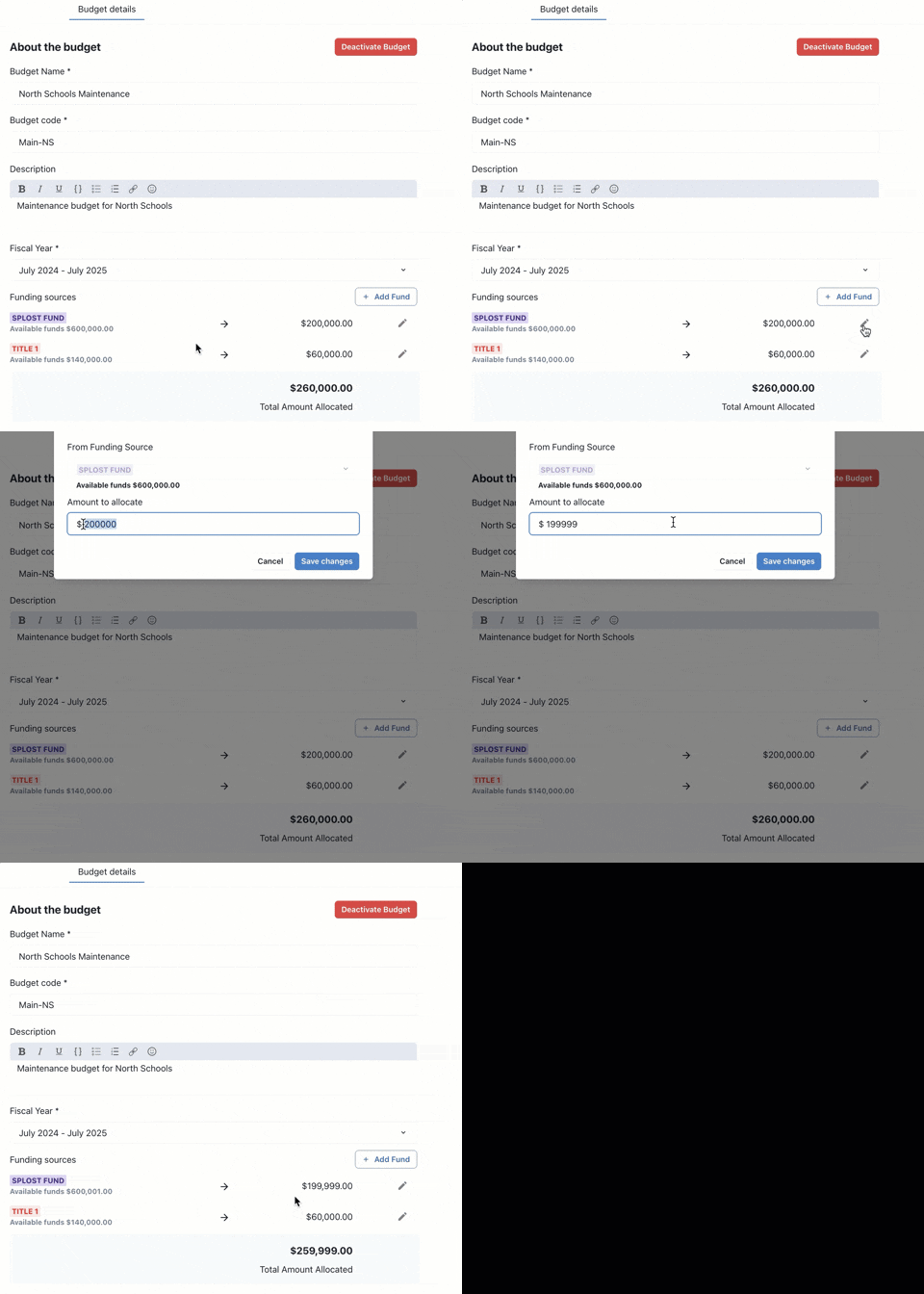
ClassLink Single Sign-On is now available! Plus updates to EventsHQ, HeroHQ, InventoryHQ, and introducing our new InspectionHQ module.
The ToolBox – June Edition
Our focus for May centered around a few key areas; Ease of use, workflow flexibility, and laying the groundwork for even bigger things ahead.
Not LOVING Your Current System? Here's 9 Reasons to Consider OperationsHERO
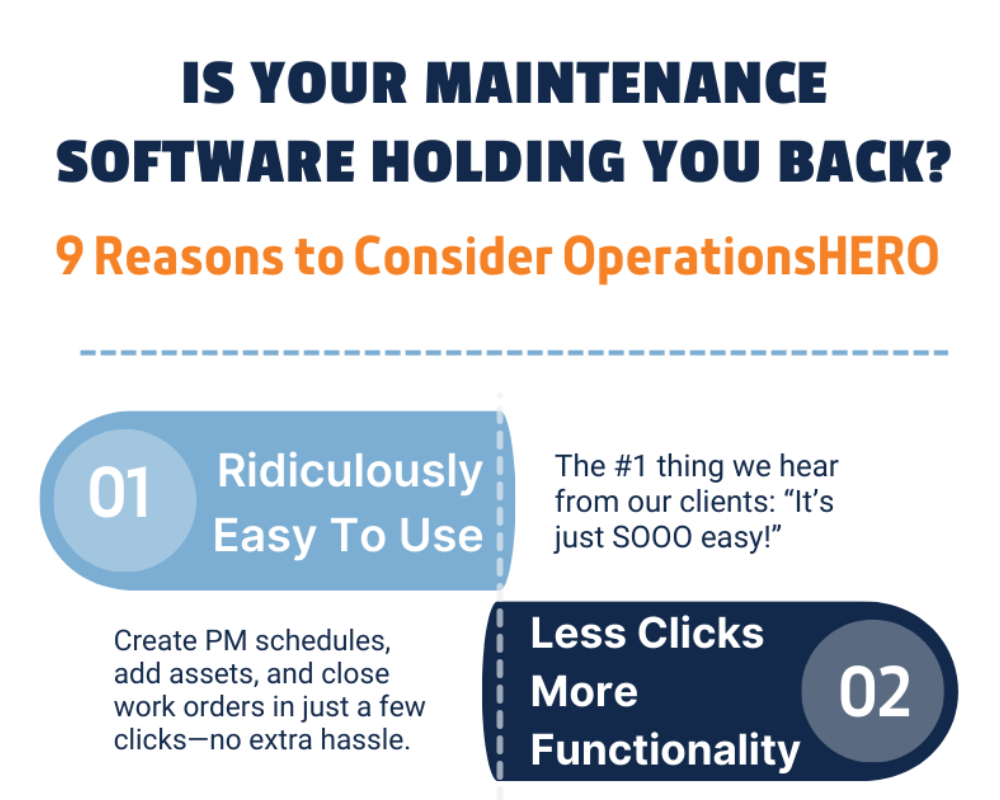
Technology has come so far in the last 20 years—but many facilities teams are still stuck using outdated, clunky systems that create more headaches than solutions.
Why Roof and HVAC Preventive Maintenance Pays Off
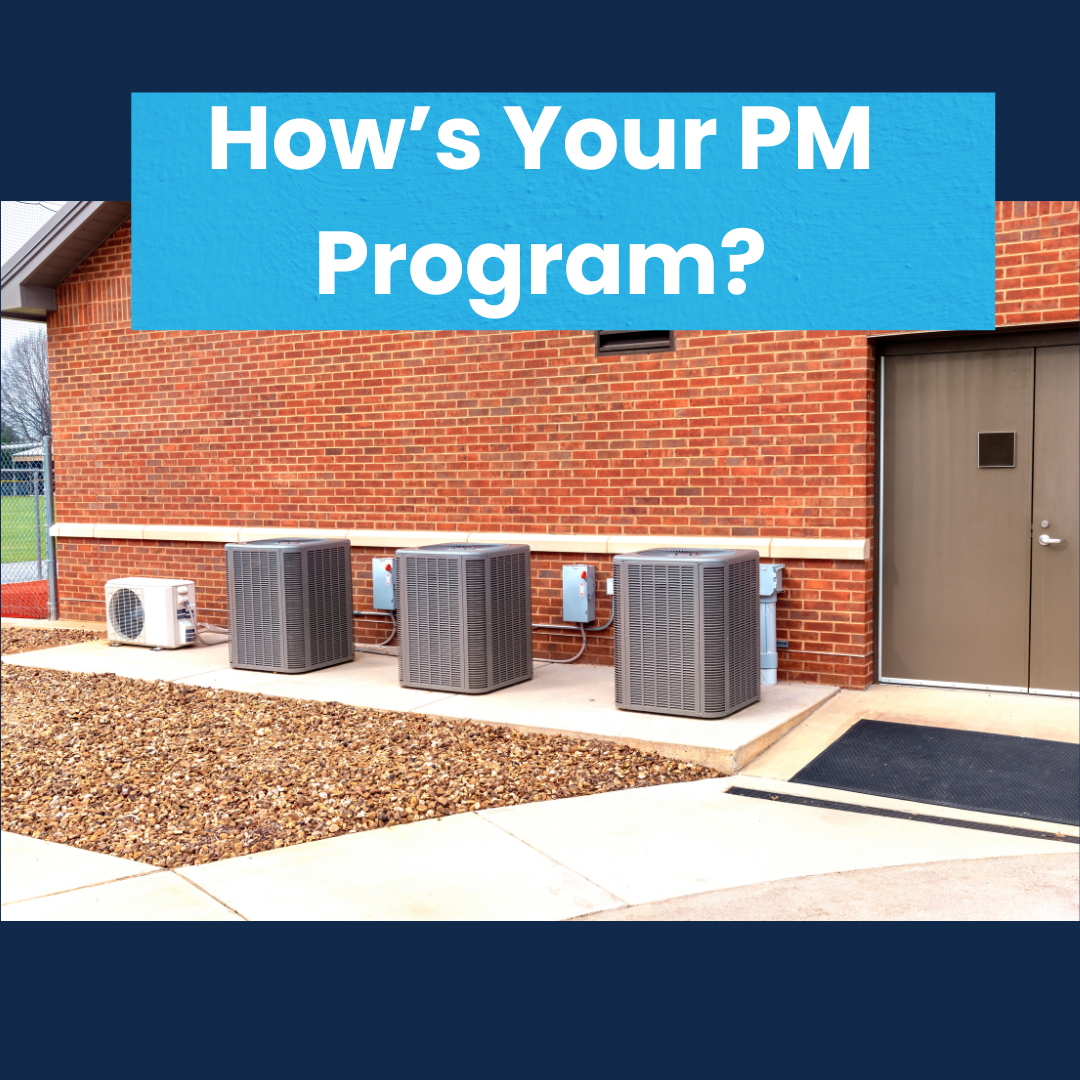
When you think about maintenance priorities, it's easy to focus on what's urgent. But roof and HVAC systems are two of the most expensive parts of your building.

From 'Oh My' to AI: How Schools Are Transforming School Facilities Management
Modern technology is making it easier than ever for schools to stay ahead of shrinking budgets, aging buildings, and skilled labor shortages.

Preventive Maintenance Meets AI: Smarter Task Books, Better Results
According to the U.S. Department of Housing and Urban Development, for every $1 spent on preventive maintenance, you can save up to $4 in future repair and replacement costs.

Who Uses a CMMS? Understanding the Different User Types and Their Needs
Different user groups have unique expectations, and designing your CMMS experience around those needs can dramatically improve user adoption and satisfaction.

How St. Joseph School District Transformed Facility Management—Without the Headaches
St. Joseph School District's previous CMMS was outdated, clunky, and difficult to use. Here's how they transformed facility management with OperationsHERO.

Upgrading Your School's Facility Management System—Without the Headaches
If you're managing a school's facilities, chances are you're juggling more than just maintenance work orders. Modern facility management tools can make your life easier, not harder.